
Brain Fog Impactful Menopause Symptoms
In a recent survey of over 500,000 women, brain fog and low mood were listed as the top two most impactful menopausal symptoms.
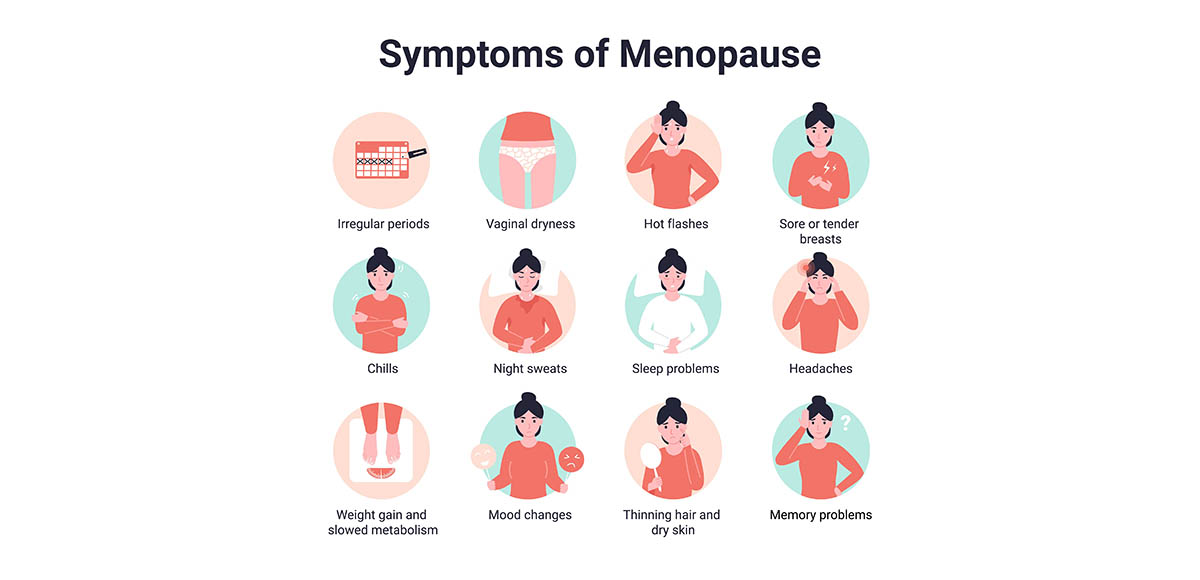
The symptoms commonly associated with the menopause are hot flushes, night sweats, changes in sleep and mood swings. Many of us aren’t expecting that cotton wool feeling in the head which can leave us searching for words, forgetting peoples names and putting our purse in the freezer instead of the peas when we unpack the shopping.
We can’t understand why we are finding that tasks which we used to do without much thought at all, now require more focus and effort.
All of the experiences above come under the term “brain fog” and it can be one of the most frustrating and least discussed symptoms of menopause. Some women start to question their competence in their jobs (and lives in general), worry they may have the onset of dementia and feel disconnected from themselves. However, the good news is that brain fog in menopause is very common and for most women it is temporary and manageable.
Having awareness of brain fog and why it happens can make it feel less frightening. In good news, there are evidence based ways to support brain health and improve our cognition through the menopause transition.
What is Brain Fog?
Brain fog is a general term used to describe cognitive symptoms such as:
- Difficulty concentrating
- Forgetfulness
- Trouble finding words
- Slower processing speed
- Mental fatigue
- Reduced attention span
- Feeling unfocused/ cloudy mentally
I have worked with so many women who describe walking into a room and forgetting why they went in there. Other observations are reading the same paragraph over and over again, losing their train of thought in conversations and forgetting appointments.
Whilst forgetfulness on occasion is normal at any age, brain fog during the menopause transition does feel a lot more disruptive and unsettling.
Why Menopause Affects The Brain?
The menopause transition involves major hormonal changes, during the perimenopause (the years leading up to the menopause when our periods stop) the fluctuations in oestrogen and progesterone can be very erratic and for some women cause havoc in terms of the severity of symptoms they experience. We have oestrogen and progesterone receptors all over our body and in the brain. Oestrogen in particular plays a significant role in:
- Mood regulation
- Attention and concentration
- Memory formation
- Verbal recall
- Sleep quality
- Brain metabolism and neuroprotection
When our oestrogen levels fluctuate erratically through perimenopause the brain can struggle to adapt temporarily.
Oestrogen and Brain Function
Research shows that oestrogen affects several neurotransmitters in the brain including serotonin, dopamine and acetylcholine which all play a part in mood and cognition.
Oestrogen also supports:
- Energy production within brain cells
- Communication between neurons
- Blood flow to the brain
- Synaptic plasticity (which is the brain’s ability to learn and adapt)
As our hormone levels fluctuate, these processes can become less efficient, which in turn contribute to memory lapses and a reduction in mental sharpness.
Some researchers now describe menopause as a ‘neurological transition’ and not just a reproductive transition.
The Role of Perimenopause
Women often experience their most severe periods of brain fog during the perimenopause years (the lead up to menopause when our periods finally stop).
This is because our hormones fluctuate much more erratically during perimenopause which in turn lead to more obvious cognitive symptoms.
Women in perimenopause often report:
- Having good brain days and bad brain days
- Feeling overwhelmed more easily
- Felling mentally inconsistent
- Experiencing sudden drops in concentration
Women find the unpredictability stressful as they are unsure when they are going to be blighted by brain fog. The stress and anxiety around brain fog exacerbates mental cognition.
Sleep Disruption: A Major Contributor
Poor sleep is a very common symptom in the perimenopause and one of the greatest drivers of brain fog.
Many women experience lighter sleep, insomnia, frequent waking and night sweats during perimenopause. Even a small amount of sleep deprevation can impact menmory, focus and mental clarity.
Sleep in essential for:
- Emotional regulation
- Brain detoxification
- Memory consolidation
- Attention
- Cognitive processing
When our sleep is poor our brain can’t perform as efficiently. Many women who are worried that they are suffering from cognitive decline are actually experiencing the cognitive effects of chronic sleep disruption.
Many women find that when their sleep improves they experience noticeable improvements in brain fog.
Stress and Cortisol
Midlife can be an intensely stressful period in a women’s life with many juggling careers, young or maybe teenage children, ageing parents, changes in relationsips and financial pressures.
When we are chronically stressed we produce more cortisol which is the body’s main stress hormone.
High cortisol levels impact:
- Attention
- Emotional regulation
- Working memory
- Learning
Stress also impacts our sleep and increases anxiety levels which both feed into more severe brain fog.
Brain fog in perimenopause is often caused by a combination of factors which create a perfect storm, such as:
- Hormonal shifts
- Poor sleep
- Fatigue
- Anxiety
- Stress
- Mood changes
Mood Changes and Cognitive Function
Anxiety and depression also impact cognitive performance. The changes in hormones during perimenopause make woman more susceptibale to mood changes especially women who have a history of anxiety and depression. Low mood has an impact on concentration, mental stamina and lowers our motivation.
Anxiety takes up a lot of our mental bandwidth, when our brain is in a constant state of hypervigilance our memory and focus decreases.
Sometimes women assume they are losing cognitive ability when they are actually experiencing untreated depression, anxiety or burnout.
Is Menopausal Brain Fog the Same as Dementia?
Many women worry their brain fog is the onset of dementia and in the vast majority of cases it isn’t.
Menopausal brain fog is upsetting but it is different from dementia in some important ways. With menopause related cognitive changes:
- Daily functioning is generally preserved
- Women are usually aware of the lapses
- Memory recall often improvs with prompts or time
- Symptoms can fluctuate
- Symptoms usually correlate with stress, sleep or hormonal changes
Dementia tends to involve progressive decline that interferes significantly with brain functioning.
However, any severe or rapidly worsening cognitive symptoms should always be assessed by a healthcare professional. It is important to mention that vitamin deficiencies, thyroid disorders, ADHD and other medical issues can also affect cognition.
What Helps Brain Fog During Menopause?
There are a few approaches which can make a difference to brain fog:
- Exercising Regularly
There are strong links between physical activity and improved brain function.
Exercise helps:
- Improve blood flow to the brain
- Improve mood
- Reduce our stress hormones
- Improve the quality of our sleep
- Reduce inflammation
- Support memory
- Sleep and Prioritising Your Sleep Window
Sleep is one of the most effective treatments for brain fog. Strategies to help sleep include:
- Keeping a consistent bed time and wake time
- Limiting caffeine after midday
- Reducing alcohol, especially in the evening
- Reducing or even eliminating screen time in the 1-2 hours before bed
- Stopping eating 2-3 hours before bedtime
- Keeping the bedroom cool
Some women find CBT (Cognitive Behavioural Therapy) helpful for insomnia and women who can take HRT (Hormone Replacement Therapy) often expereince big improvements in sleep.
- Nutrition – Eating Well to Support Brain Health
What we eat in midlife has a huge impact on how we feel physically and mentally. We need to be thinking about:
- Eating enough protein
- Minimising ultra-processed foods
- Eating plenty of fibre
- Including healthy fats at every meal eg. omega 3s
- Keep hydrated
- Maintaining stable blood sugar levels
Some women report they experience more severe brain fog when their blood sugar levels fluctuate dramatically.
Foods linked to better brain health include:
- Oily fish
- Olive oil
- Leafy greens
- Nuts and seeds
- Whole grains
- Berries
It is important to mention that many women find alcohol aggravates cognitive symptoms, mood, sleep and hot flushes.
- Manage Stress Intentionally
The levels of stress we experience directly affect our cognitive function. Activities which many women find helpful in managing stress include:
- Walking outdoors
- Breathwork
- Yoga
- Mindfulness meditation
- Journaling
- Setting boundaries
- Trying not to overcommit
- Stay Mentally and Socially Engaged
Activiites which help to stimulate our brains also support cognition, for example:
- Reading
- Puzzles
- Learning to play/ playing an instrument
- Learning a language
- Learning other new skills eg. cooking new recipes
- Consider HRT (Hormone Replacement Therapy)
Women who take HRT often notice that along with easing other symptoms such as poor sleep, anxiety, depression and hot flushes, it also eases their brain fog and helps them to feel mentally sharper.
It is important to mention that HRT is not suitable for everyone and you should talk through your personal situation with your GP or healthcare provider.
- Reduce Cognitive Overload
Most women in midlife find themselves juggling many responsibilities and often report feeling overwhelmed.
Needless to say the brain is not able to multitask as efficiently when we are sleep deprived and our hormones are rollercoasting. Here are some tips to help manage when we are feeling overwhelmed:
- Writing things down when we think of them and keeping lists.
- Using reminders and alerts in a calendar
- Single tasking instead of multitasking
- Putting your phone away/ turning email alerts off when focusing on a piece of work
- Take regular breaks during mentally demanding work
When to Seek Medical Advice for Brain Fog
- When symptoms are severe and impact daily life
- Memory problems deteriorate rapidly
- Brain fog is accompanied by neurological changes
- Sometimes there may be another underlying issue causing brain fog such as anaemia, a vitamin deficieny, medication side effects, depression/ anxiety and of course sleep disorders
Longer Term
Brain fog in perimenopause is caused by a combination of hormonal changes, sleep issues, mood and stress which all feed into the brain’s biology.
For most women brain fog will improve as they transition through perimenopause into the post menopause phase and hormones settle down.
Having knowledge of what causes brain fog and how to help ourselves can mitigate some of the anxiety it causes.
